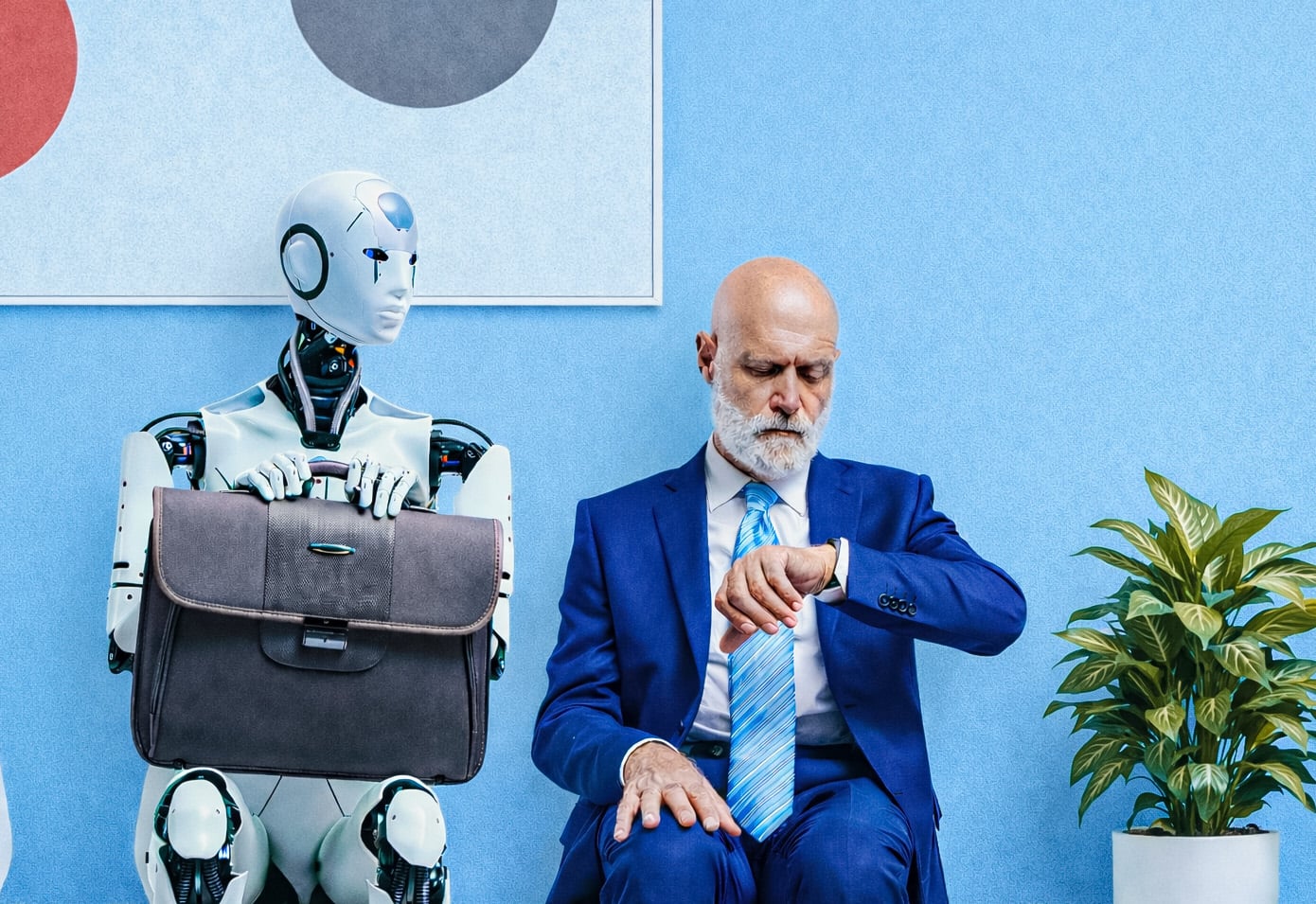
The Algorithm Decides: Why AI Hiring Is Failing Everyone
Vocabulary
Article
Read the article aloud on your own or repeat each paragraph after your tutor.The Algorithm Decides: Why AI Hiring Is Failing EveryoneApplying for a job used to mean polishing your CV, writing a careful cover letter, and hoping a human would actually read it. Now, many people use AI to write their applications — and many companies use AI to decide who gets hired. The job market hasn't just gone digital. It's become automated.
Many employers now use AI to sort resumes, write interview questions, and analyze candidate responses. Job seekers, meanwhile, use tools like ChatGPT to generate cover letters and tailor applications quickly. This has made applying for jobs faster than ever — but also more crowded.
Recent research shows that after the launch of ChatGPT in 2022, cover letters became longer and better written, but employers trusted them less. Because so many applicants now sound polished and professional, it's harder for companies to tell who is truly qualified. As a result, hiring has slowed and starting salaries have dropped.
AI is also changing interviews. Some companies use automated systems to ask questions or review recorded answers. While this saves time, experts warn that AI can repeat or even increase human bias — for example, by reacting differently to names, accents, or facial expressions.
These concerns have pushed governments and labor groups to act. Several U.S. states are creating rules for how AI can be used in hiring, and lawsuits have already appeared, including cases about discrimination and accessibility.
Still, AI is unlikely to disappear from hiring. Supporters say it can help find talent that human recruiters might miss. But for many applicants, the process now feels colder, more mechanical, and less human.
The risk is not that AI replaces people — but that people start changing themselves to impress machines. And in that race, some great candidates may never even get the chance to be seen.
Discussion
Have a discussion based on the following questions.- What are your thoughts on how AI impacting the job market?
- Do you worry that AI could make the hiring process unfair or biased?
- Do you know anyone who's currently looking for work? How long have they been looking?
- Would you feel comfortable being interviewed by a computer instead of a person?
- How long have you been at your current job? Do you plan on working there until you retire?
Further Discussion
Have a discussion based on the following questions.- What do you most enjoy about your job?
- What do your colleagues complain about most often at work?
- What would you say your strengths are at work?
- What would be your dream job? What would you have to do to get it?
- "The real danger is not that computers will begin to think like men, but that men will begin to think like computers." - Sydney J. Harris. What do you make of this quote?