Your Prescription Is to Get Outside, US Doctors Say
7
Advanced
Vocabulary
Repeat each word, definition, and example sentence after your tutor.
formalAdjectiveˈfɔːrml
officially done, recognized, etc.
I've worked in the field for decades, but I don't actually have any formal training in journalism.
frivolousAdjectiveˈfrɪvələs
lacking real purpose or value
My mom thinks gaming is a frivolous activity.
blood pressureNounˈblʌd preʃər
the force of blood against the walls of blood vessels
High blood pressure is associated with an increased risk of cardiovascular disease.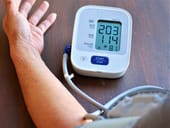
hormoneNounˈhɔːrmoʊn
a chemical produced in a living thing that affects growth, behavior, etc.
Insulin is a hormone which helps regulate blood sugar levels.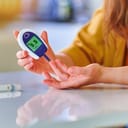
immunityNounɪˈmjuːnəti
the ability of a living thing to resist an infection or disease
In 1796, Edward Jenner discovered a vaccine that provided immunity against smallpox.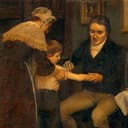
effectivenessNounɪˈfektɪvnəs
the degree to which something produces a desired result
The company is still testing the effectiveness of the vaccine.
Article
Read the article aloud on your own or repeat each paragraph after your tutor.Your Prescription Is to Get Outside, US Doctors SayYour Prescription Is to Get Outside, US Doctors Say
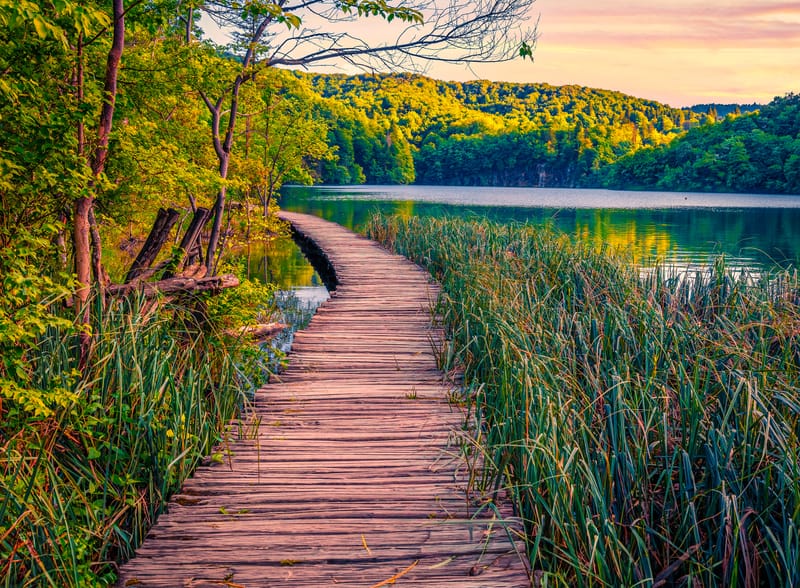
"Find a shady spot under a tree, take a breath of fresh air and call me in the morning."
Health care providers have long suggested that stressed-out patients spend time outdoors. Now, hundreds of US providers are going a step further and giving formal prescriptions to get outside.
Of course, no one needs a prescription to go outside. But some doctors think that it helps people take it seriously.
"When I bring it up, it is almost like granting permission to do something they may see as frivolous," said Dr. Suzanne Hackenmiller, an Iowa doctor who has started giving nature prescriptions.
Spending time in natural areas can lower blood pressure, reduce stress hormones and increase immunity, studies have found.
And starting about a decade ago, US health care providers began formalizing suggestions to get outside through prescriptions.
Dr. Robert Zarr, who also works as a nature guide, started an organization called Park Rx America around 2016, offering rules for giving prescriptions for time in nature.
Doctors should talk with patients about what they like to do outside — walking, sitting under a tree, maybe just watching leaves fall — how often to do it and where to go. That all then gets included in a prescription, and Park Rx America sends patients reminders to do what they've been told.
Nearly 2,000 providers have registered with the organization across the US and a number of other countries, including Australia, Brazil, Cameroon and Spain. They've given more than 7,000 nature prescriptions since 2019, said Dr. Stacy Beller Stryer, Park Rx America's associate medical director. And about 100 other similar organizations have started around the US, she said.
The effectiveness of formal nature prescriptions is unclear, however. A 2020 study between the US Forest Service and two American universities found that more work was needed to see whether people actually follow their doctors' prescriptions, as well as the long-term health effects of doing so.
Discussion
Have a discussion based on the following questions.- What are your thoughts on nature prescriptions?
- Have you heard of any similar programs in your country?
- Do you think you'd spend more time in nature if a doctor prescribed it?
- How do you usually feel after spending time in nature?
- How much time do you spend outdoors in an average week?
Further Discussion
Have a discussion based on the following questions.- What kind of natural environments do you find most calming?
- What are some of the most beautiful natural places in your area?
- What are your favorite things to do outdoors?
- Are there any outdoor activities you'd like to try or do more often?
- Wilderness is not a luxury but a necessity of the human spirit. — Edward Abbey What do you make of this quote?