
Tourist Arrested in Tokyo for Damaging Sacred Gate
7
Advanced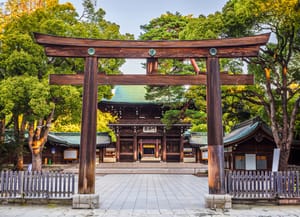
Vocabulary
Repeat each word, definition, and example sentence after your tutor.
sacredAdjectiveˈseɪkrɪd
treated with respect due to a connection with a god or religion
Uluru, also known as Ayers Rock, is considered sacred by the Aboriginal people of the area.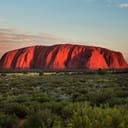
carveVerbkɑːrv
to cut into a hard material in order to make an object, pattern, etc.
The images of four presidents are carved into Mount Rushmore. 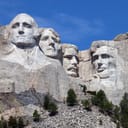
landmarkNounˈlændˌmɑːrk
an object, building, etc. that is easily recognized and helps one know where one is; an object, building, etc. that is historically important
The mountain was once a landmark for ships trying to find the harbor entrance.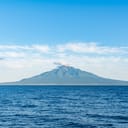
pillarNounˈpɪlər
a large, tall post
There are 16 pillars at the front of the Pantheon in Rome. 
honorVerbˈɑːnər
to publicly show respect for someone or something
The Washington Monument was built to honor the United States' first president, George Washington.
markingNounˈmɑːrkɪŋ
a symbol, letter, design, etc. on a surface
The cave walls are covered in markings that historians believe to be about 12,000 years old.
Article
Read the article aloud on your own or repeat each paragraph after your tutor.Tourist Arrested in Tokyo for Damaging Sacred GateAn American tourist has been arrested in Tokyo for damaging a sacred gate by carving letters onto it with his fingernails.
Steve Hayes, 65, who was visiting Japan on holiday with his family, was arrested at his hotel after security camera video helped police find him.
According to reports, Hayes admitted to carving his family members' initials onto a wooden pillar of Meiji Shrine's gate, saying he did it as a joke.
Meiji Shrine is an important cultural landmark in Tokyo. It was first built in 1920 to honor Emperor Meiji and Empress Shoken, and was rebuilt in the 1950s after being destroyed during World War II.
The shrine is famous for its large wooden torii gates, which are seen as sacred.
Hayes has been charged with property damage. If found guilty, he could face up to three years in prison, or a fine of 300,000 yen (around $2,000).
Police are also looking into markings carved on the pillars of another gate at the shrine. However, these carvings appear to be written using Japanese kanji characters, so they are unlikely to be linked to Hayes.
There have been a number of cases involving tourists behaving badly at cultural sites around the world.
In 2023, a British tourist was told he could face five years in jail after he carved a romantic message onto the walls of the Colosseum in Italy. And later that year, a Swiss teenager and a German teenager carved their initials onto the Colosseum walls in two separate cases.
Also in 2023, a Polish tourist was fined for climbing the stairs of a Mayan temple at Chichen Itza in Mexico.
Discussion
Have a discussion based on the following questions.- What are your thoughts on Steve Hayes' arrest?
- What do you think motivates people to deface historical structures?
- What do you think the punishment for damaging a cultural site should be?
- Do tourists often cause problems where you live?
- What tourist behaviors do you find most annoying?
Further Discussion
Have a discussion based on the following questions.- What are some of your country's most important cultural landmarks?
- What are the most impressive historical sites or landmarks you've visited?
- How do you usually decide what attractions to visit when traveling?
- Do you know anyone who has gotten in trouble while traveling?
- Do you think it's important to learn some local etiquette before traveling?