
Sweet and Savory: The History of Teriyaki Chicken
7
Advanced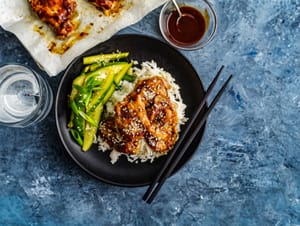
Vocabulary
Repeat each word, definition, and example sentence after your tutor.
savoryAdjectiveˈseɪvəri
(of food) having a flavor that is salty or spicy, rather than sweet
I feel like eating a savory breakfast today rather than cereal.
rootNounruːt
the basis, starting point, ancestry, etc. of someone or something
Tennis star Naomi Osaka has often spoken about how proud she is of her Haitian and Japanese roots.
marinateVerbˈmærɪneɪt
to leave meat, fish, or other food in a sauce for a period of time before cooking it; (of food) to be left in such a way
Marinate the fish in olive oil, garlic and parsley for at least one hour before you cook it.
preserveVerbprɪˈzɜrv
to stop food from going off by doing something to it
You can preserve meat or fish by soaking it in salt water.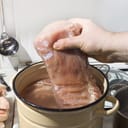
immigrantNounˈɪməgrənt
a person who has come to live in a country that is not their own
Pizza was first brought to the United States by Italian immigrants in the late 19th century.
hitNounhɪt
something that is popular or financially successful
Our spicy chicken wings are a big hit with customers. 
Article
Read the article aloud on your own or repeat each paragraph after your tutor.Sweet and Savory: The History of Teriyaki ChickenSweet and Savory: The History of Teriyaki Chicken
Teriyaki chicken with its sweet and savory sauce is popular around the world, but despite its Japanese name, this dish is not only far more common outside of Japan than it is within the country itself, it actually has its roots in the United States.
The word "teriyaki" comes from two Japanese words: teri, meaning "shine," and yaki, meaning "grilled." The cooking style started during the Edo period (1603 – 1868), when fish was marinated in soy sauce, rice wine, and sugar before grilling. This mix added flavor and helped preserve the fish.
However, the teriyaki sauce most people know today is different.
The modern version of teriyaki is believed to have begun with Japanese immigrants in Hawaii. They added ingredients like pineapple juice and brown sugar to the original Japanese soy sauce mix, creating the sweeter flavor that's popular today.
But it took a while for this new teriyaki sauce to become popular with Americans.
When Kikkoman, a Japanese company, expanded to the US in the 1950s, they had a hard time selling their main product, soy sauce. At that time, most Americans didn't eat Japanese food like sushi, and it was hard to source the ingredients to cook it. So, people didn't have much use for soy sauce.
But a member of the Kikkoman staff noticed that Americans loved having BBQs. This inspired the creation of a sweet teriyaki sauce, perfect for grilling chicken.
This new sauce was a hit, and teriyaki chicken became one of the first Japanese-inspired dishes to succeed in the US.
In Japan, although teriyaki chicken can be found at burger chains like McDonald’s, the original teriyaki cooking method is still more commonly eaten with fish.
But whether enjoyed at a BBQ, in a chicken burger, or with rice, teriyaki chicken shows that delicious flavors can cross any border.
Discussion
Have a discussion based on the following questions.- What are your thoughts on the history of teriyaki chicken?
- Do you like teriyaki sauce? Do you prefer it with chicken or fish?
- Do you prefer sweet or savory flavors? Do you like them mixed together?
- When was the last time you had a BBQ? What food did you grill?
- Do any of your favorite dishes have an interesting history?
Further Discussion
Have a discussion based on the following questions.- What dishes from your country are most popular with foreigners?
- What's your favorite international cuisine?
- Are there any foreign dishes you often make at home?
- What parts of your country are known for having delicious food?
- What countries would you most like to visit for their food?