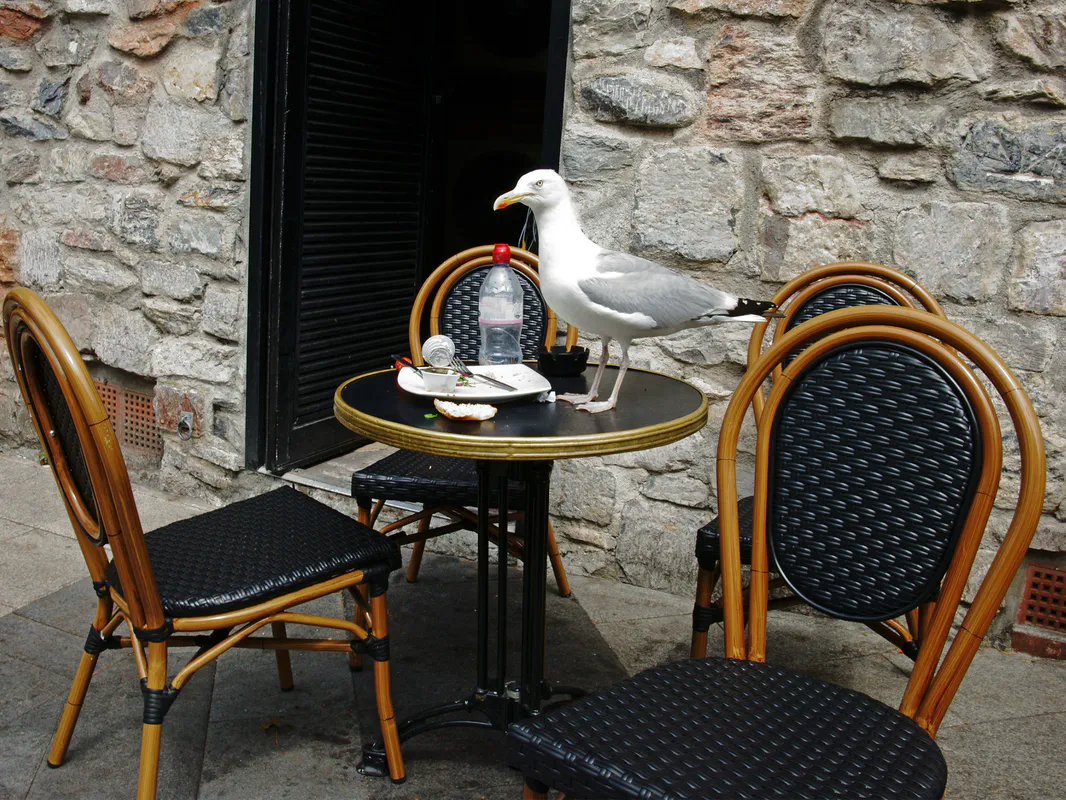
Shouting Best for Scaring Seagulls: UK Study
7
AdvancedVocabulary
Repeat each word, definition, and example sentence after your tutor.
vigilanceNounˈvɪdʒɪləns
the action or state of paying careful attention to a situation
The soldiers guarding the base were told to exercise increased vigilance. 
peckVerbpek
(of a bird) to hit or bite something with its beak
Hens pecked around in the yard amongst the other animals.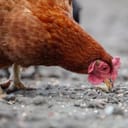
violentAdjectiveˈvaɪələnt
using or involving behavior that is meant to hurt, damage or kill
"Game of Thrones" is an extremely violent TV show.
speciesNounˈspiːʃiːz
a group of animals or plants that are similar to each other and can produce healthy young
This species of plant needs a lot of sun to grow.
conservationNounˌkɑːnsərˈveɪʃən
the act of protecting something from change, loss, injury, etc.
Conservation experts say that orangutan numbers have dropped by nearly two-thirds since the 1970s.
commitVerbkəˈmɪt
to do something wrong or illegal
There is no proof that he actually committed the crime.
Article
Read the article aloud on your own or repeat each paragraph after your tutor.Shouting Best for Scaring Seagulls: UK StudyFor many Brits, there's nothing better than fish and chips by the seaside — and nothing worse than trying to keep seagulls away from them!
Happily, however, researchers in the UK have found the best way to get them to go away is simply by shouting.
The researchers put chips in plastic boxes in towns across the southwest coast of England and tested how 61 European herring gulls reacted to recordings of a robin's song, a male voice saying, "No, stay away, that's my food," and a voice shouting those words.
Previous research had shown that gulls could be kept away by approaching them, making eye contact with them or shouting at them.
But the new study, published in Biology Letters, wanted to measure the difference between speaking and shouting if both were played at the same volume.
The birds reacted to the sound of the speaking voice and showed signs of vigilance, pecking less on the food and leaving sooner than when they heard the birdsong, the study found.
They tended to walk away from the speaking voice, but flew away from the shouting, suggesting they could tell the difference between the two.
"Normally when someone is shouting, it's scary because it's a loud noise, but in this case all the noises were the same volume," study author Neeltje Boogert said. "So it seems that gulls pay attention to the way we say things, which we don't think has been seen before in any wild species."
The study was designed to show that people don't need to be violent towards seagulls, which are a species of conservation concern in the UK, to frighten them. The voices of males were used because men commit the most crimes against wildlife.
The researchers said that further studies could determine if there's a different reaction to female voices.
Discussion
Have a discussion based on the following questions.- What are your thoughts on the study's findings?
- Are you surprised that gulls may pay attention to the way we say things?
- Are seagulls a nuisance in your country?
- What wild animals often cause problems where you live?
- Have you ever had a pet bird? Would you like to have one?
Further Discussion
Have a discussion based on the following questions.- Have you had any encounters with wild animals?
- Do you know anyone who works with animals? Would you enjoy their job?
- What are your favorite animals? Do you know any interesting facts about them?
- If you could keep any animal as a pet, which would you choose?
- The wilderness holds answers to questions we have not yet learned to ask. — Nancy Wynne Newhall. What do you make of this quote?