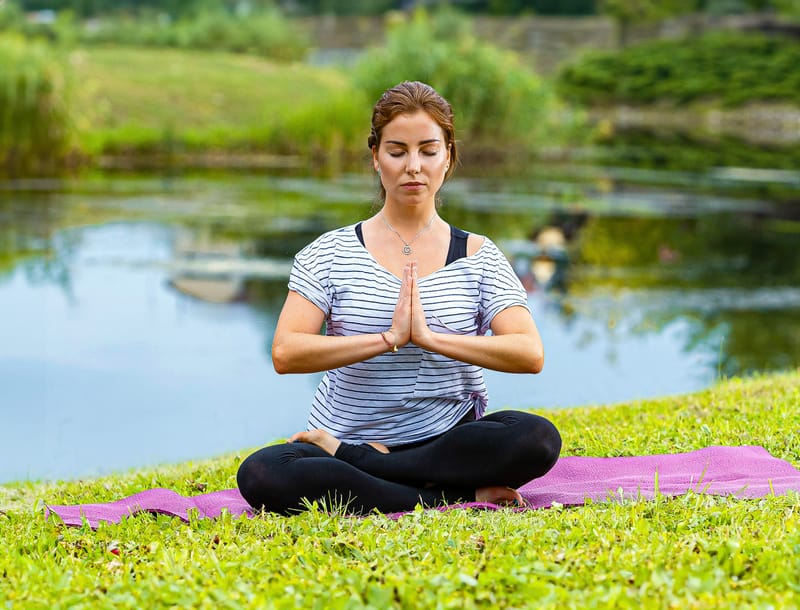
Meditation May Really Be Able to Relieve Pain
8
Advanced
Vocabulary
Repeat each word, definition, and example sentence after your tutor.
placeboNounpləˈsiːboʊ
a substance that has no medical effect
Researchers often use placebos to test the effectiveness of new treatments in clinical trials.
shamAdjectiveʃæm
not true or genuine
In the US, the punishments for engaging in sham marriage schemes can be quite harsh.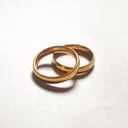
probeNounprəʊb
a surgical tool with a blunt end used to examine a wound or body part
Using a probe, the surgeon checked the extent of the wound.
intensityNounɪnˈtɛnsɪtiː
the quality of being very strong or forceful; the amount of power, energy, etc. that something has or requires
He sang with intensity and passion.
perceptionNounpərˈsepʃn
the ability to become aware of something through the senses; awareness of something through the senses
Dogs can sense magnetic fields and other things beyond human perception.
chronicAdjectiveˈkrɑːnɪk
continuing for a long time or happening often
Eating a healthy diet reduces the risk of developing chronic diseases such as diabetes and heart disease.
Article
Read the article aloud on your own or repeat each paragraph after your tutor.Meditation May Really Be Able to Relieve PainMeditation May Really Be Able to Relieve Pain
Mindfulness meditation can really help reduce pain, according to a new study.
For centuries, people in some cultures have used meditation as a way to deal with pain. But it was thought that the effect was similar to that of a placebo — that the power of suggestion made people expect they would feel less pain, even if they really didn't.
However, researchers from the US found that mindfulness meditation may be more powerful than previously believed.
Mindfulness meditation is, according to the Very Well Mind website, a "mental training practice that teaches you to slow down racing thoughts, let go of negativity, and calm both your mind and body."
It combines meditation with the practice of mindfulness, which places emphasis on being focused on the present moment, and accepting your thoughts and feelings without judgment.
One hundred and fifteen people took part in the study, which recorded participants' responses to pain.
They were put into four groups. One group did mindfulness meditation. One did "sham" meditation that only focused on breathing. And another spent time listening to audiobooks.
The fourth group had a cream applied to their legs. They were told it would relieve the effects of pain, but it was just a placebo.
All participants were then exposed to pain — in the form of a very hot probe on the backs of their legs — while an MRI scanner looked at their brain activity.
They were also asked to rate the level of pain they felt.
The researchers found that the intensity of pain experienced by the mindfulness meditation group was much less than that experienced by other groups.
In fact, they noticed from the MRI scans that people in the mindfulness group saw greater reductions in brain activity associated with the perception of pain.
The research team said mindfulness meditation may be able to actively treat pain in a way that a placebo cannot.
The hope is that mindfulness meditation could be used to treat people suffering from chronic pain, although the team said further research will be needed.
Discussion
Have a discussion based on the following questions.- What are your thoughts on the findings of this study?
- Do you find it surprising that meditation may be able to relieve pain?
- Have you tried any forms of meditation?
- How do you expect healthcare and medicine to change over your lifetime?
- What do you think people in the future will think of today's healthcare?
Further Discussion
Have a discussion based on the following questions.- Where do you get most of your health information from?
- Who are the most health-conscious people you know?
- Do you know anyone who works in healthcare?
- What do you think is the key to a long and healthy life?
- The greatest medicine of all is teaching people how not to need it. — Hippocrates. What do you make of this quote?