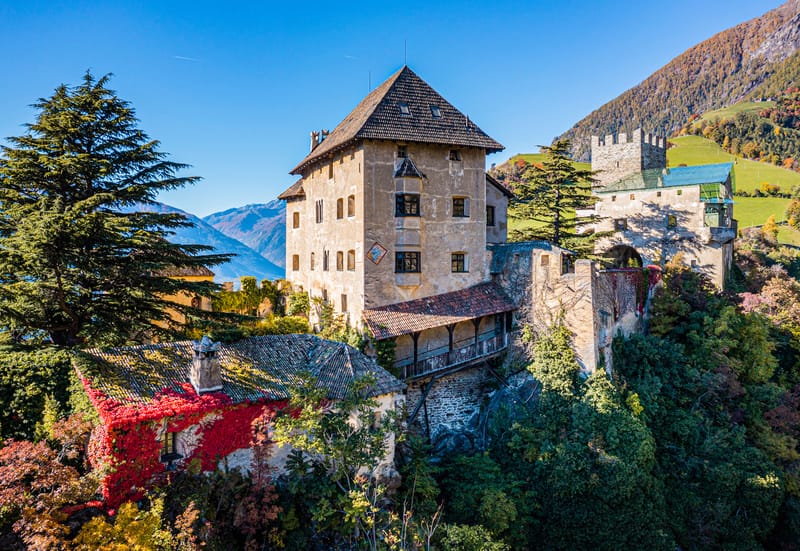
Italy's Mountain Museums Tell Story of Climbing
7
Advanced
Vocabulary
Repeat each word, definition, and example sentence after your tutor.
formationNounfɔːrˈmeɪʃən
the action of forming or of being formed
Volcanic activity led to the formation of the Hawaiian islands around 5 million years ago.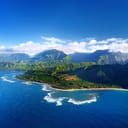
spiritualAdjectiveˈspɪrɪtʃuːəl
relating to the human spirit as opposed to physical things; relating to religion or religious beliefs
Several study participants reported having spiritual experiences after taking psilocybin.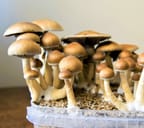
fortNounfɔːrt
a building designed to defend against attacks
Agra Fort in India was built by Mughal Emperor Akbar in 1565.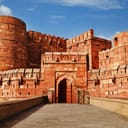
fossilNounˈfɑːsəl
the remains or traces of a plant or animal that lived a long time ago
Hundreds of fossils are on display at the Natural History Museum in London.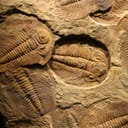
mythNounmɪθ
an old story, usually featuring gods, demons, and other imaginary creatures
Stephen Fry's "Mythos" is a modern retelling of ancient Greek myths and legends.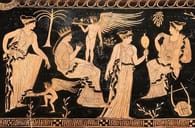
glacierNounˈgleɪʃər
a large, slow moving body or river of ice formed by snow on mountains
At about 80 kilometers wide and 250 kilometers long, Antarctica's Lambert Glacier is the largest in the world.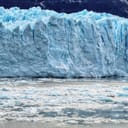
Article
Read the article aloud on your own or repeat each paragraph after your tutor.Italy's Mountain Museums Tell Story of ClimbingItaly's Mountain Museums Tell Story of Climbing
Where would you normally expect to find a museum? In a city or a small town, probably?
Well, what about on top of a mountain?
South Tyrol in northern Italy is home to six such mountain museums. The Messner Mountain Museums (MMM) were opened by famous Italian mountain climber Reinhold Messner between 1995 and 2015.
In 1986, Messner became the first person to climb all 14 of the world's mountains that are taller than 8,000 meters, and each of his museums has a different theme.
Described as the "heart" of the museum group, MMM Firmian is found in a castle called Sigmundskron. Its main theme is the relationship between humans and mountains. Here, through a collection that includes rock samples, sculptures, pictures and text, visitors learn about the science of rock formation, as well as the spiritual and cultural connections different people have felt with mountains.
MMM Dolomites is in an old fort in the mountains of the same name. Here you can see fossils, maps and even old climbing equipment that tell the history of the Dolomites, where people have lived and explored since at least 6000 BC.
MMM Juval is in a castle that Messner bought in 1983 to use as both a private home and a museum. It has a collection of art and writing about mountain myths from around the world.
MMM Ripa in Bruneck Castle looks at the cultures of people who live in mountains, such as in Tibet and Peru. And MMM Ortles brings visitors underground into a man-made cave and a world of ice, glaciers and polar exploration.
Finally, MMM Corones was opened in 2015 in a building by British-Iraqi architect Zaha Hadid, who also designed the Beijing Daxing International Airport. At the top of the 2,275-meter-tall Mount Kronplatz, this museum is all about alpinism, which is the art of climbing high mountains, rocks and walls in all weather.
Discussion
Have a discussion based on the following questions.- What are your thoughts on the Messner Mountain Museums?
- Which of the museums would you like to visit?
- Have you done any mountain climbing? Are there any mountains you'd like to climb someday?
- What are some of your country's biggest mountains? Do they have any special cultural significance?
- What are some of the most beautiful mountain regions you've been to?
Further Discussion
Have a discussion based on the following questions.- What are some of the best museums you've been to?
- What museums in your country would you recommend?
- Are there any unusual museums you'd like to visit someday?
- Would you rather spend a day exploring a museum or hiking in the mountains?
- Those that reach their goals perish. — Reinhold Messner. What do you make of this quote?