How the Ikarian Diet Could Help You Live Longer
7
Advanced
Vocabulary
Repeat each word, definition, and example sentence after your tutor.
identifyVerbaɪˈdɛntəˌfaɪ
to find out or know who or what someone or something is
In class, the students learned to identify all the world's continents.
dementiaNoundɪˈmenʃə
a medical condition that affects a person's memory, behavior, etc.
Early signs of dementia include forgetfulness and disorientation.
proteinNounˈproʊtiːn
a substance found in meat, eggs, etc., that is important for health
The study found that eating protein from a variety of sources may help prevent high blood pressure.
fiberNounˈfaɪbər
a substance found in fruit, vegetables, etc. that helps food pass through the body
If you have digestive problems, you may need to increase your fiber intake. 
digestionNoundɪˈdʒɛstʃ(ə)n
the process of breaking down food in the stomach
Eating a variety of different foods is important for healthy digestion.
cholesterolNounkəˈlɛstəˌroʊl
a fatty substance in the body that can cause heart problems
Fried foods are high in saturated fat and cholesterol.
Article
Read the article aloud on your own or repeat each paragraph after your tutor.How the Ikarian Diet Could Help You Live LongerIn the Aegean Sea, which lies between Greece and Turkey, there is a Greek island known for its wild mountainous landscape, its hot springs, its wine, the rather relaxed lifestyle of its people — and the fact that people there have unusually long lives.
The island is called Ikaria, and one-third of the people there live past the age of 90.
Ikaria is a "blue zone," one of five places around the world — like Okinawa in Japan, or Sardinia in Italy — that have been identified by researcher Dan Buettner as places where people live unusually long, healthy lives.
On Ikaria, there are low rates of health problems like cancer and heart disease, and dementia is very rare.
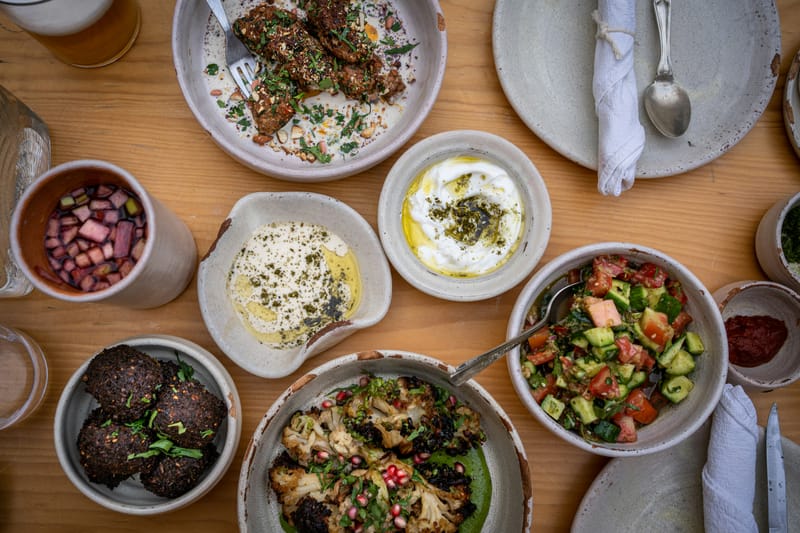
This may be partly because of the Ikarian diet. This is similar to the Mediterranean diet, which contains a lot of fruit and vegetables — as well as beans, nuts and healthy olive oil — but is low in meat and dairy.
On Ikaria, they eat even less meat, and less fish too — usually eating meat just five times a month, and fish only twice a week. Instead, they eat a lot more beans, vegetables and herbs.
Beans in particular seem to be important. Researchers have found that in blue zones, people who eat a cup of beans every day live the longest.
Beans are healthy because they provide protein, iron and vitamins, and also contain fiber, which is good for your digestion and helps lower cholesterol.
On the Blue Zones website, Buettner writes that Ikarians also drink herbal teas daily, made from things like oregano, dandelion, sage and rosemary. He believes these teas may also have a positive impact on their health.
The landscape of Ikaria may have some health benefits too. Because it's mountainous, Buettner says, "Just about every trip to the store or a friend's house to eat includes a trip uphill." So this provides people with plenty of exercise!
Discussion
Have a discussion based on the following questions.- What are your thoughts on the Ikarian diet? Could you see yourself following a diet like this?
- How much do you know about the blue zones? Have you been to any of them?
- Do beans make up a large part of your diet?
- Do you often drink herbal teas? What are your favorites?
- Do you know many people over the age of 90?
Further Discussion
Have a discussion based on the following questions.- How healthy would you say the average diet in your country is?
- What do you find most difficult about sticking to a healthy diet?
- What countries do you imagine have the least healthy diets?
- Are there any foods you've been trying to eat more of lately for health reasons?
- Which of the people you know is the most careful about what they eat?