Fitness Apps May Be Doing More Harm than Good
7
Advanced
Vocabulary
Repeat each word, definition, and example sentence after your tutor.
motivatedAdjectiveˈmoʊtɪveɪtɪd
wanting to do or achieve something
Joining a running group helped me stay motivated to get fit.
theoryNounˈθiːəriː
an idea or set of ideas intended to explain something
Albert Einstein first published his theory of relativity in 1905.
crashVerbkræʃ
(of a computer, system, etc.) to suddenly stop working
Fortunately, I saved the file just before my computer crashed.
streakNounstriːk
a continuous run of successes or achievements without a break
Liverpool is on a six-game winning streak.
criticismNounˈkrɪtɪˌsɪzəm
the act of saying that one disapproves of or disagrees with someone or something
The government has received harsh criticism for its poor handling of the housing crisis.
realisticAdjectiveˌriːəˈlɪstɪk
having or showing an awareness of what can be done or expected
Finishing the project by the end of September is simply not realistic.
Article
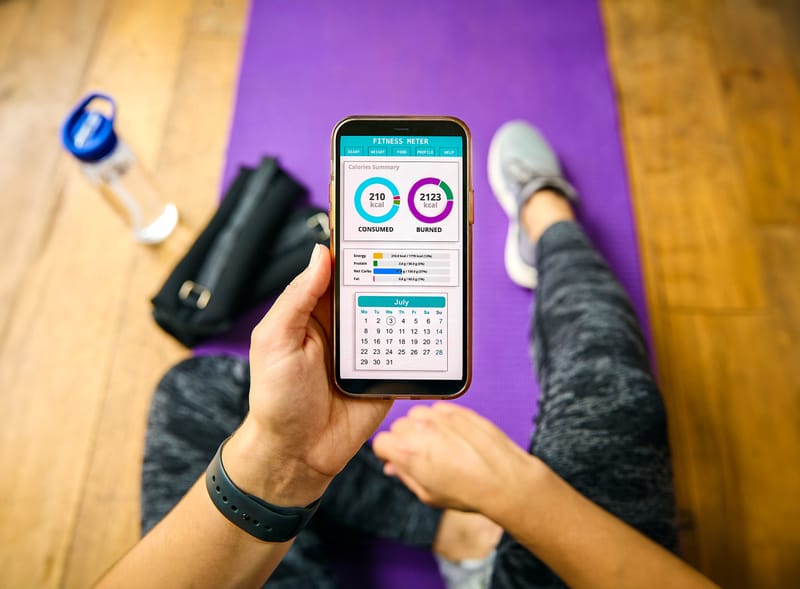
Read the article aloud on your own or repeat each paragraph after your tutor.Fitness Apps May Be Doing More Harm than GoodMillions of people open fitness apps each day to stay motivated and reach their health goals. But a new study suggests these apps might have the opposite effect.
Researchers from University College London and Loughborough University studied nearly 14,000 negative posts on X (formerly Twitter) about the five most popular fitness apps.
Instead of feeling motivated, many users said they felt confused, angry, or even ashamed because of how the apps set and tracked their goals. What was meant to help people live healthier lives often left them feeling badly about themselves.
The researchers explained their findings using "self-determination theory," which says motivation depends on three things: autonomy (feeling in control), competence (feeling able to do something), and relatedness (feeling connected to other people).
Fitness apps, they found, often weaken all three.
Many apps reduce autonomy by setting automatic goals, such as calorie limits or weight-loss plans, without asking what feels right for users. Some people said the apps told them to eat far too little, while others noticed that goals didn't change for personal situations such as doing extra workouts.
Problems with the apps also hurt people's sense of competence. Users said their apps crashed, lost progress, or lost their streaks after missing just one day. Seeing their hard work disappear made them feel like failures, and many stopped trying altogether.
Finally, the study found that many users felt unsupported. The apps' reminders to post about their meals or warnings about certain foods often felt more like criticism than help, and instead of feeling encouraged, users felt judged.
The researchers said that fitness apps should be designed to support realistic goals. Instead of focusing on eating fewer calories and keeping perfect streaks, the apps should help people enjoy exercise, find balance and be kind to themselves.
Until that happens, the app that's supposed to motivate you might actually be the thing making you want to quit!
Discussion
Have a discussion based on the following questions.- What are your thoughts on the study's findings?
- Do you find it surprising that fitness apps could be doing more harm than good?
- Have you used any fitness apps? What did you think of them?
- How do you stay motivated to exercise?
- Do you have any fitness goals you're working toward?
Further Discussion
Have a discussion based on the following questions.- Do you generally enjoy exercising?
- What forms of exercise do you like best?
- Are there any types of exercise you've tried but didn't like?
- What tips would you give to someone who finds it hard to exercise regularly?
- Once you are exercising regularly, the hardest thing is to stop it. — Erin Gray. What do you make of this quote?