Could Food Taxes Benefit People and the Planet?
8
Advanced
Vocabulary
Repeat each word, definition, and example sentence after your tutor.
sustainableAdjectivesəˈsteɪnəbl
able to continue at the same rate or level; that does not use up natural resources
The tourism sector is predicted to see sustainable growth over the next 24 months.
greenhouse gasNounˈgrinˌhaʊs gæs
any of the gasses that trap heat in the atmosphere and are linked to global warming
The buildup of greenhouse gasses in the atmosphere has led to a significant rise in global temperatures.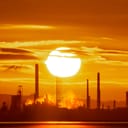
reformNounrɪˈfɔːrm
the action or process of making changes to a system, law, organization etc. in order to improve it
Only 20% of respondents said they were in favor of the new tax reforms.
subsidyNounˈsəbsɪdiː
money paid by a government to help an industry reduce the cost of certain goods or services
The US spends around $20 billion each year on agricultural subsidies.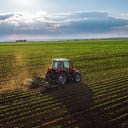
consumptionNounkənˈsʌmpʃn
the action of using food, energy, etc.; the amount of something used
The FDA tests food products to make sure they are safe for human consumption.
moderateAdjectiveˈmɑːdɛrət
average in size, quality, degree, etc.
The last few months have seen a moderate decrease in housing prices in the area.
Article
Read the article aloud on your own or repeat each paragraph after your tutor.Could Food Taxes Benefit People and the Planet?Could Food Taxes Benefit People and the Planet?
Increasing taxes on food and drinks that are bad for the planet or bad for our health could have a big positive impact, according to a new study.
But researchers in Sweden said that to get the best results, taxes on sustainable, healthy foods should be removed.
As the world gets warmer, experts are looking for ways that we can take action. Some have suggested that we eat less red meat, because the industry produces a lot of greenhouse gas emissions.
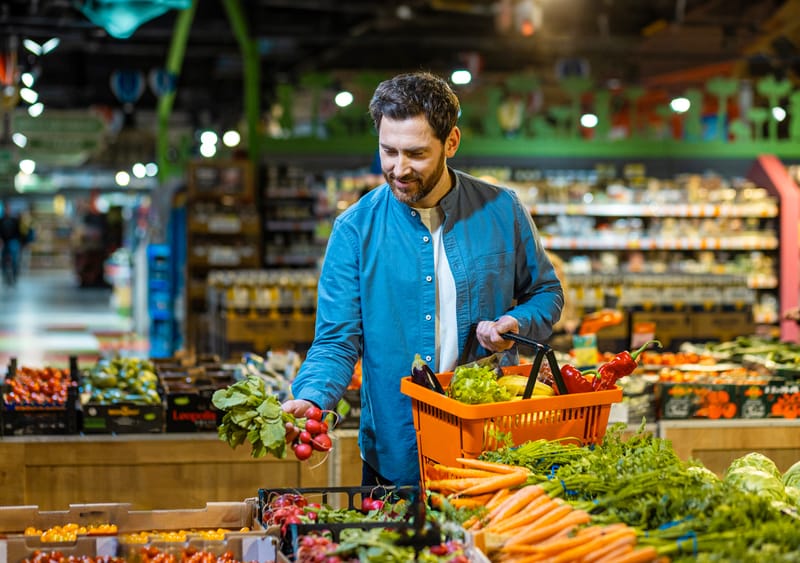
The Swedish research team wanted to look into the effect of "cost-neutral food tax reforms." This means increasing taxes on things like red meat, processed meat and sugary drinks, and offering subsidies on healthy foods like fruits, vegetables, fish and products containing whole grains.
They argue that this would mean a person's weekly shopping trip wouldn't cost any more because the price rises and price reductions would balance out and become "cost-neutral."
This would also have a positive effect on people's health.
In their study, the researchers found that a food tax like this could significantly cut food-related carbon emissions.
They focused on Sweden in their projections but said that this could apply to other countries too.
The researchers said that the tax increase could add more than $3 per kilogram to the price of beef and lamb, which could decrease meat consumption by 19%.
"Today's diets are making us sick and negatively impacting the climate," said Jörgen Larsson, one of the study authors.
He added: "If we want to do something about this collectively, taxes and subsidies are a good way forward."
Larsson said that "not everyone needs to become a vegetarian" but big gains can be made with "more moderate consumption" of red meat.
However, the researchers acknowledged that decreased demand for meat in one country could lower international prices and lead to "increased consumption in other countries."
Others argue that families who find meat too expensive may end up choosing cheaper, less healthy foods rather than fruits and vegetables.
Discussion
Have a discussion based on the following questions.- What are your thoughts on the study's findings?
- Would you be in favor of similar food tax reforms in your country?
- Do you imagine red meat and processed foods make up a large part of the average diet in your country?
- How have food prices changed where you live over the past few years?
- What do you find challenging about keeping a healthy and balanced diet?
Further Discussion
Have a discussion based on the following questions.- Do you think the average diet in your country has gotten worse in recent years?
- Do you know many vegetarians or vegans?
- Have you made any changes to your diet for health or environmental reasons?
- Do you think most people will eat plant-based diet in the future?
- What unhealthy foods would you find the hardest to give up?