
Carbon Pawprint: How to Make Your Pet 'Green'
7
Advanced
Vocabulary
Repeat each word, definition, and example sentence after your tutor.
account forPhrasal Verbəˈkaʊnt fɔːr
to be a part of the total of something
The tourism industry accounts for around 15% of Spain's GDP.
consumptionNounkənˈsʌmpʃn
the action of using food, energy, etc.; the amount of something used
The consumption of liquor in public places is prohibited. 
evidenceNounˈɛvɪdəns
a fact, object, etc. that shows that something is true
The new evidence gives us greater insight into how the Neanderthals lived.
balancedAdjectiveˈbælənst
including different things in correct amounts
Eating a balanced diet can lower your risk of developing a number of health conditions.
factorNounˈfæktər
something that may cause, contribute to, influence something, etc.
The company looked at a number of factors to determine the world's safest airline.
breedNounbriːd
a particular type of animal or plant
The Dalmatian's spots make it one of the most recognizable breeds in the world.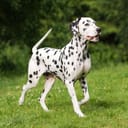
Article
Read the article aloud on your own or repeat each paragraph after your tutor.Carbon Pawprint: How to Make Your Pet 'Green'You've probably heard of the term "carbon footprint." The Oxford Dictionary describes it as "a measure of the amount of carbon dioxide released into the atmosphere as a result of the activities of a particular individual, organization, or community."
But what about a "carbon pawprint?" That's the same thing, except it's the carbon dioxide released as a result of a pet's activities!
One of the most climate-intensive decisions we make is whether to own a pet.
It's for the same reason that humans have a big impact: pets eat every day. And most of them eat meat.
In the US, feeding dogs and cats accounts for more than a quarter of the environmental impact from meat consumption.
The pollution created from the meat that dogs and cats eat in the US is about the same amount as the pollution created from driving 13.6 million cars for a year, according to a UCLA study.
But just like people, a pet's impact on the planet can depend on their diet.
People are increasingly treating their pets like family members — and that includes buying them food that's similar to their own.
But there isn't much evidence to suggest that human-grade food leads to better pet health, according to Alison Manchester from Cornell University's College of Veterinary Medicine.
Manchester said that traditional pet food can also provide a perfectly balanced pet diet, and it often makes use of animal parts that otherwise might have been wasted because they're not eaten by humans.
But diet isn't the only factor to consider. The type of pet, its breed and where it came from all affect its impact.
For example, buying a dog from a breeder creates demand for that breeder to make more dogs, said Billy Nicholles, a pet food researcher with Bryant Research. Adopting a pet that needs a home, on the other hand, would be better for the environment.
And Nicholles adds that, generally, the smaller the pet, the smaller the carbon footprint — or pawprint.
Discussion
Have a discussion based on the following questions.- Do you find it surprising that pets have such a big environmental impact?
- Do you imagine many people consider the environment when getting a pet?
- Do you know many pet owners who treat their pets like family members?
- If you were to get a new pet tomorrow, what would you choose?
- Which of the people you know does the most to reduce their carbon footprint?
Further Discussion
Have a discussion based on the following questions.- Have you had many pets over the years?
- Do you know anyone who's recently gotten a new pet?
- Have you ever taken care of someone else's pet?
- Are there any popular pets that you'd never want to own?
- What do you think is the best pet for someone who's never had one before?