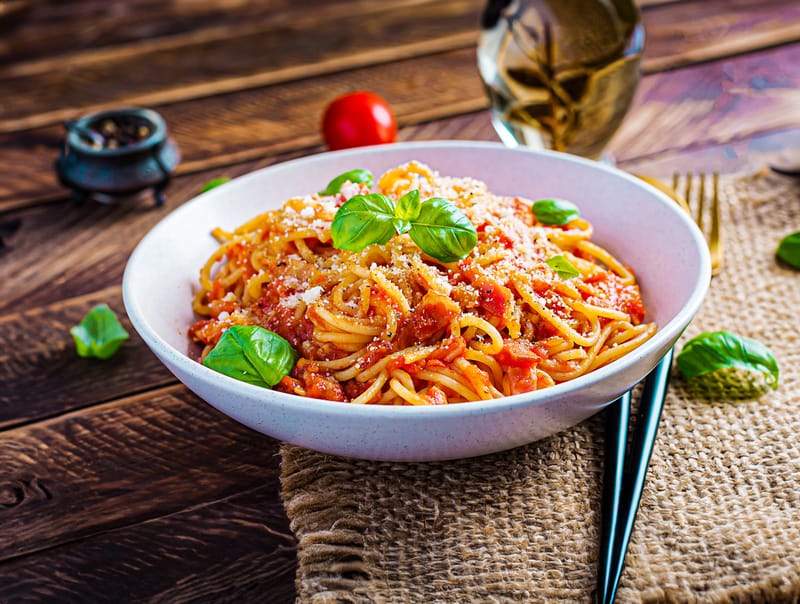
Buon Appetito: The Four Pastas of Rome
6
Intermediate
Vocabulary
Repeat each word, definition, and example sentence after your tutor.
reputationNounˌrepjuˈteɪʃn
general ideas or opinions that people have about someone or something
She has a reputation for honesty and hard work.
ingredientNounɪnˈgriːdiːənt
any of the foods or substances used to make a dish or product
Mix the wet and dry ingredients in two separate bowls.
clumpyAdjectiveˈklʌmpi
having lumps
I didn't mix the batter enough so it's quite clumpy. 
pasteNounpeɪst
a thick, soft, wet substance
Next, add some tomato paste to the mixture.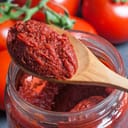
cureVerbkjʊr
to preserve meat, fish, etc. by drying, salting, or smoking it
A popular way of curing salmon is to first cover it in salt and then smoke it. 
stirVerbstər
to move a spoon or other tool through a substance in order to mix it or mix something into it
Keep stirring the sauce while it's cooking so that it doesn't burn.
Article
Read the article aloud on your own or repeat each paragraph after your tutor.Buon Appetito: The Four Pastas of RomeWhen in Rome, eat like the Romans do — and with the Italians' reputation for good food, that shouldn't be hard!
But while there are many different dishes you can try in the Italian capital, you'll find the same four classic pasta dishes in almost any restaurant.
The "four pastas of Rome" may use similar ingredients, but each is unique in its own way!
Cacio e pepe
This literally means "cheese and black pepper" — and they're the only two ingredients added to this pasta dish. The cheese used is pecorino — an Italian cheese made from sheep's milk — that's mixed with fresh black pepper and some of the water the pasta is cooked in. Be careful if you try to make it yourself: too much water and your sauce will be too watery; too little and it will be clumpy!
Carbonara
In other places, cream is often mistakenly added to carbonara — but don't let a Roman see you doing that! Carbonara is made by mixing egg yolks, black pepper and pecorino to form a paste. Add that to your cooked pasta along with fried pieces of guanciale ("gwan-CHAL-eh"), a type of cured meat made from pork cheek that's similar to bacon. But if you've had carbonara with cream and regular bacon, it's not the real thing!
Gricia
What would you get if you took the egg out of a carbonara? You'd get pasta alla gricia! This dish is made by first frying up the guanciale and mixing its oil with some pasta water and pepper. Once the pasta is cooked, stir in the oil mixture with some pecorino and pepper.
Amatriciana
Another Roman classic, this pasta dish also uses fried guanciale. Similar to gricia, the oil is mixed with pasta water, but this time tomatoes and chili are added in. Top with pecorino and enjoy!
Discussion
Have a discussion based on the following questions.- Were you familiar with the "four pastas of Rome" before reading the article?
- Have you tried any of these pasta dishes? Which did you like best?
- How often do you make pasta? What are some of your favorite pasta recipes?
- Are there any decent Italian restaurants where you live?
- Have you been to Italy? If so, did you have a lot of good food? If not, would you like to visit?
Further Discussion
Have a discussion based on the following questions.- Why do you think Italian food is so popular around the world?
- Does your country have a reputation for good food?
- Are there any traditional dishes from your country you'd recommend?
- What countries would you like to visit for their food?
- Do you think food is a good way to learn about another culture?