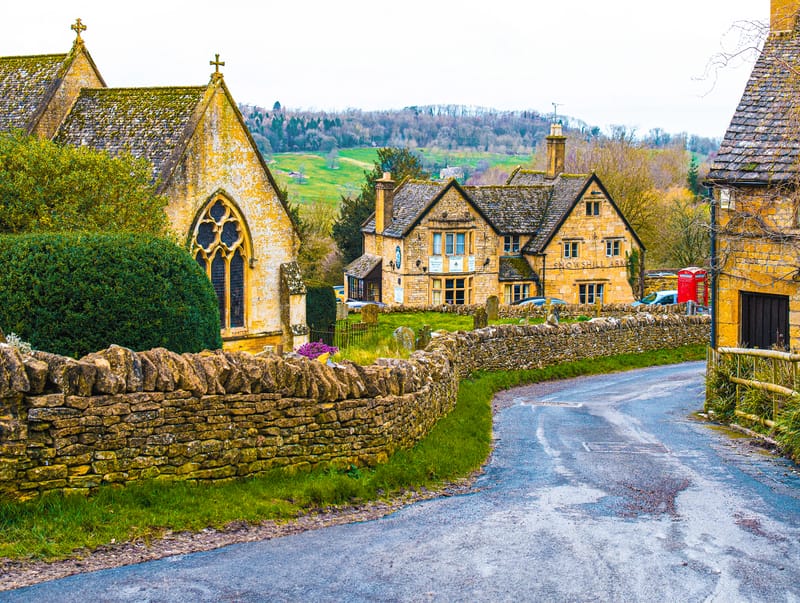
Books in Places: Why Literary Trips Are Trending
7
Advanced
Vocabulary
Repeat each word, definition, and example sentence after your tutor.
fictionNounˈfɪkʃən
writing that is about people and things that are not real
I mostly read fiction, but I also like biographies.
retreatNounrɪˈtriːt
a remote or quiet place where people go to rest and relax
If you're looking for a peaceful weekend, this cabin by the lake is the perfect retreat. 
literaryAdjectiveˈlɪtəˌrɛriː
relating to written works that are considered to be very good or important
"Nineteen Eighty-Four" is considered one of the great literary works of the 20th century.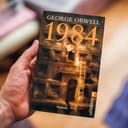
contemporaryAdjectivekənˈtɛmpəˌrɛriː
belonging to or happening in the present time
The Shard in London, designed by Renzo Piano, is an example of contemporary architecture.
underrepresentedAdjectiveˌʌndər ˌreprɪˈzentɪd
not having sufficient or adequate representatives
Despite making up 19% of the population, Hispanics are underrepresented in US political institutions.
rootVerbruːt
to have as a source or cause
The practice of bringing a tree into the home and decorating it is rooted in pre-Christian traditions.
Article
Read the article aloud on your own or repeat each paragraph after your tutor.Books in Places: Why Literary Trips Are TrendingWhen we read fiction, we can escape the everyday world and experience lives full of drama in faraway places.
But instead of reading to escape, what if you could escape to the faraway settings of your favorite books and share your reading experience with other book lovers?
Where better to read Agatha Christie's murder mystery Death on the Nile than in Egypt, or Robert Harris' historical thriller Pompeii in Pompeii? Or how about a trip to Jamaica to discuss Ian Fleming's James Bond adventure Dr. No?
That's the idea behind Books in Places, a UK company that organizes short trips like these to discuss books, as well as longer reading retreats. The company was started in 2023 by Paul Wright, who was already running a Bristol-based book club.
He told The Times newspaper that he got the idea when his club was discussing a novel by Turkish writer Elif Shafak in a Turkish restaurant. He couldn't help thinking they would have a better conversation if they were actually in Turkey!
Books in Places is part of a wider travel trend in which readers meet on literary trips that combine the fun of a vacation with the social experience of a book club.
Page Break in New York organizes rural retreats to discuss contemporary fiction by new and underrepresented writers.
San Francisco's Silent Book Club runs retreats where people can read and discuss whatever they like in locations like Costa Rica and Italy.
Ladies Who Lit in the UK organizes reading retreats for women in places like Spain, Greece and the Caribbean.
Where Books in Places stands out is that it brings readers to the places where the books are actually set.
As Wright says on the company website, "Reading a book rooted in the place I'm exploring adds depth to my experience, making the streets, culture, and history come alive in a way nothing else can."
Discussion
Have a discussion based on the following questions.- What are your thoughts on Books in Places?
- Would you like to go on a reading retreat?
- What places or settings from your favorite books would you like to visit?
- Have you ever decided to visit a place after reading about it in a book or seeing it in a movie?
- Have you ever been part of a book club? If so, how often did you meet? If not, do you think you'd enjoy it?
Further Discussion
Have a discussion based on the following questions.- Is there anyone you enjoy discussing books with?
- Do you prefer reading classic or contemporary literature?
- Have you discovered any writers lately that you really like?
- Who are some of the most well-read people you know?
- A great book should leave you with many experiences, and slightly exhausted at the end. — William Styron. What do you make of this quote?